Excavation in Queen Creek, AZ
Pool digs through caliche, lot grading with retention, utility trenches, desert lot clearing and house pads. Tell us about the job and a local excavation contractor will call you back with a quote.
- Residential and small commercial earthwork
- Local crews across the southeast Valley
- No charge to request a quote
Excavation services in Queen Creek
From a backyard pool to a cleared acre lot, here's the work local crews quote, with what's specific to this corner of the Valley.
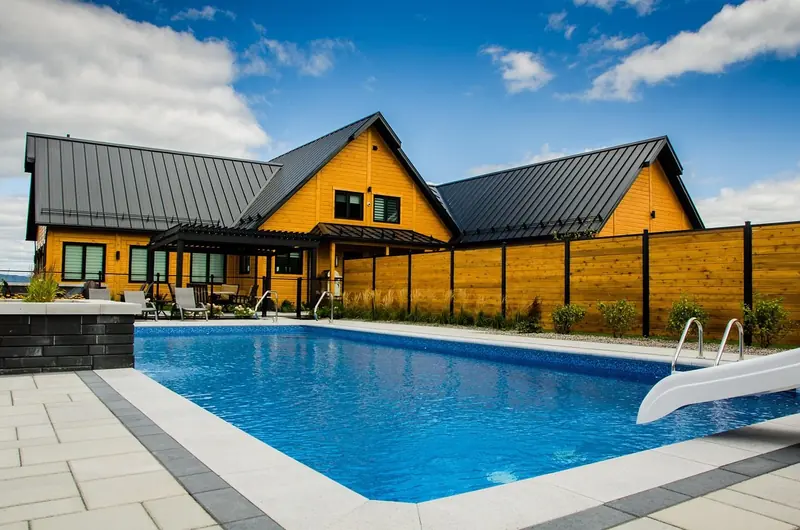
Pool excavation
Digging the shell, hauling the spoil and working through caliche. In-ground pools in Queen Creek need engineered plans.
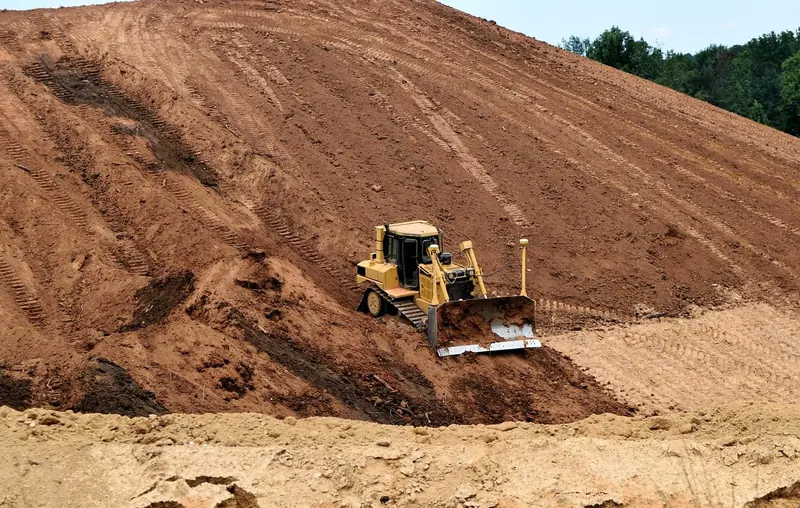
Grading and leveling
Lot grading, drainage and retention basins sized to the town's 100-year, 2-hour storm.
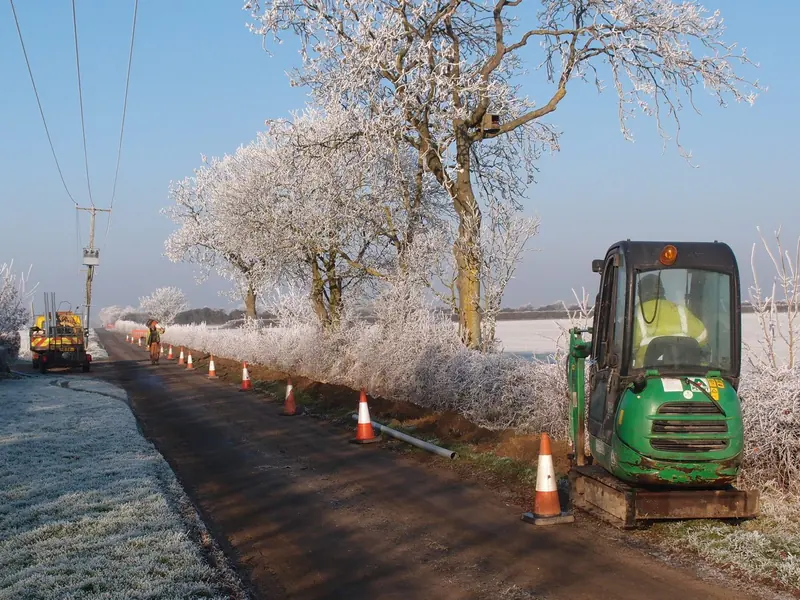
Trenching
Water, sewer, gas, electrical and irrigation lines, with an Arizona 811 ticket first.
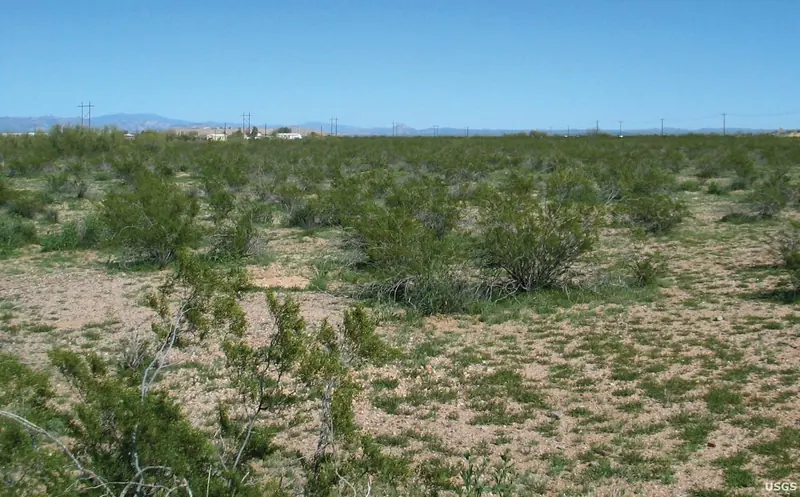
Desert lot clearing
Creosote and brush removal, dust permits and the state's native plant notice.
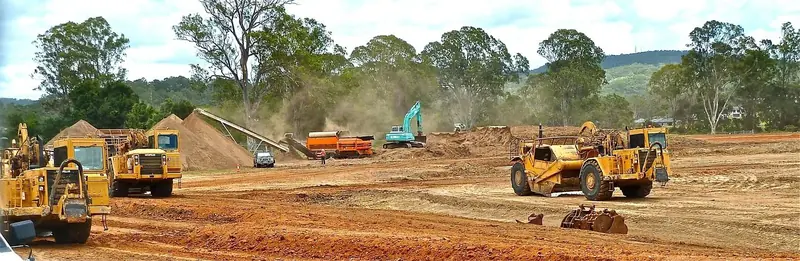
Pads and site prep
House pads, RV and shop pads, driveways, fill and hauling.
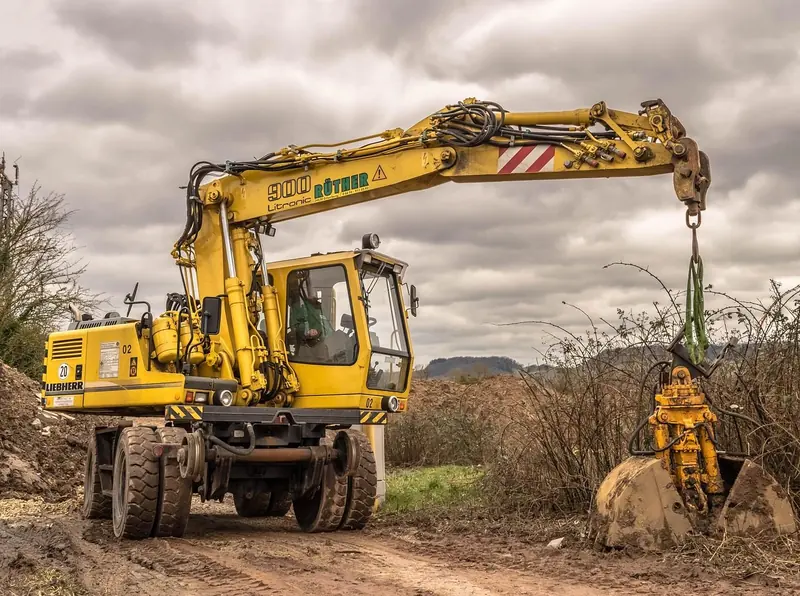
Not sure what you need?
Describe the job and a contractor will tell you what it takes.
Why digging here is different
Queen Creek sits at about 1,417 feet in the desert southeast of Phoenix. The creek the town is named for is usually a dry arroyo. That landscape shapes almost every excavation job:
- Caliche. The University of Arizona says many southern Arizona soils have layers of caliche, soil cemented by lime, from a few inches to several feet thick. It's slow to dig and it blocks drainage. Angi lists it as one of the conditions that adds cost in the Phoenix area. More on caliche.
- Stormwater stays on the lot. Queen Creek's grading checklist sizes retention for the 100-year, 2-hour storm, caps basin depth at 4 feet and limits side slopes to 6:1.
- Dust is regulated. In Maricopa County, disturbing 0.10 acre (4,356 square feet) or more triggers a dust control permit, and every dust-generating job must follow Rule 310, whatever its size.
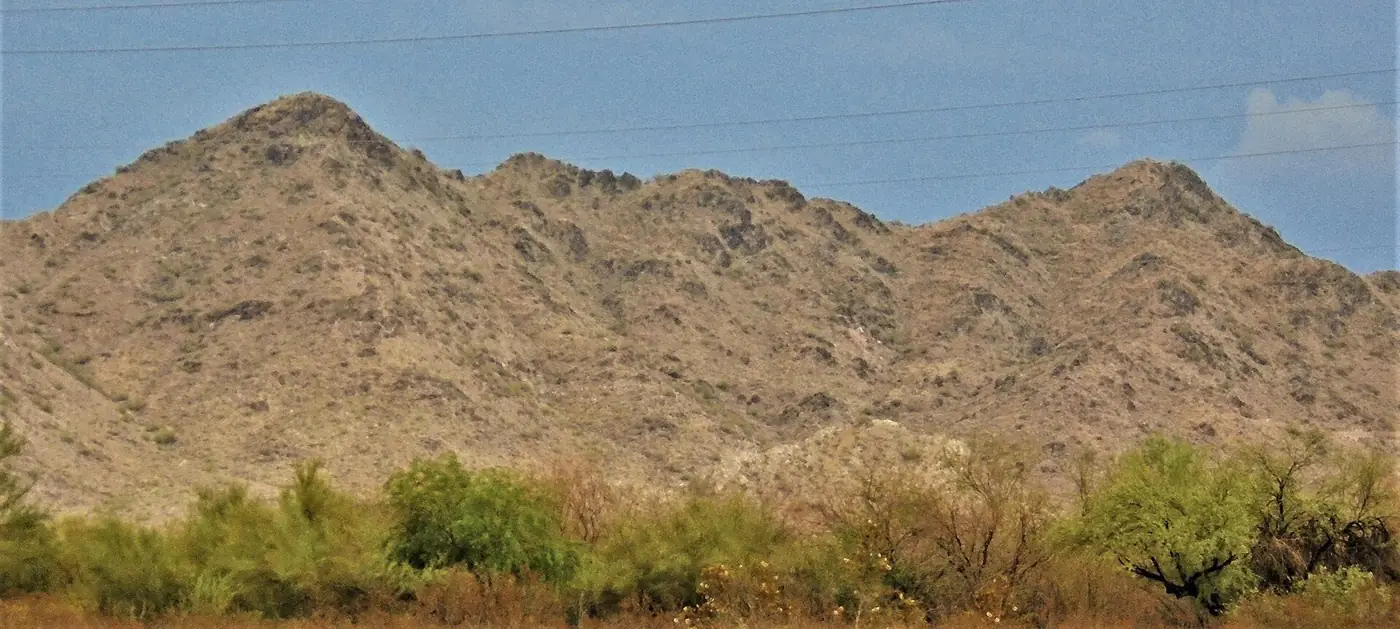
What Queen Creek property owners ask first
What will it cost?
Phoenix-area figures from Angi: $3,598 on average, $105 to $260 an hour for a machine and operator.
Do I need a permit?
Grading permits, pool permits, county dust permits and when the state gets involved.
Who marks the utility lines?
Arizona 811 is free and required. Two working days to mark, 15 working days before marks expire.
What's this white rock layer?
Caliche: what it is, why it slows a dig, and how to deal with drainage.
Before the machine shows up
- Know the scope.Rough dimensions, depth and where the dirt goes. For a pool, the plan set gives the dig size.
- Check permits.Grading, pool and dust permits are common here. Ask who pulls each one.
- Get lines marked.Open an Arizona 811 ticket, and ask the contractor how they'll find any lines you or a past owner added, like power to a detached garage.
- Plan for access.Gate width, overhead lines, block walls and a spot for the spoil pile or truck.
- Ask about caliche.Ask how the quote handles hard digging and extra haul-off if the crew hits it.
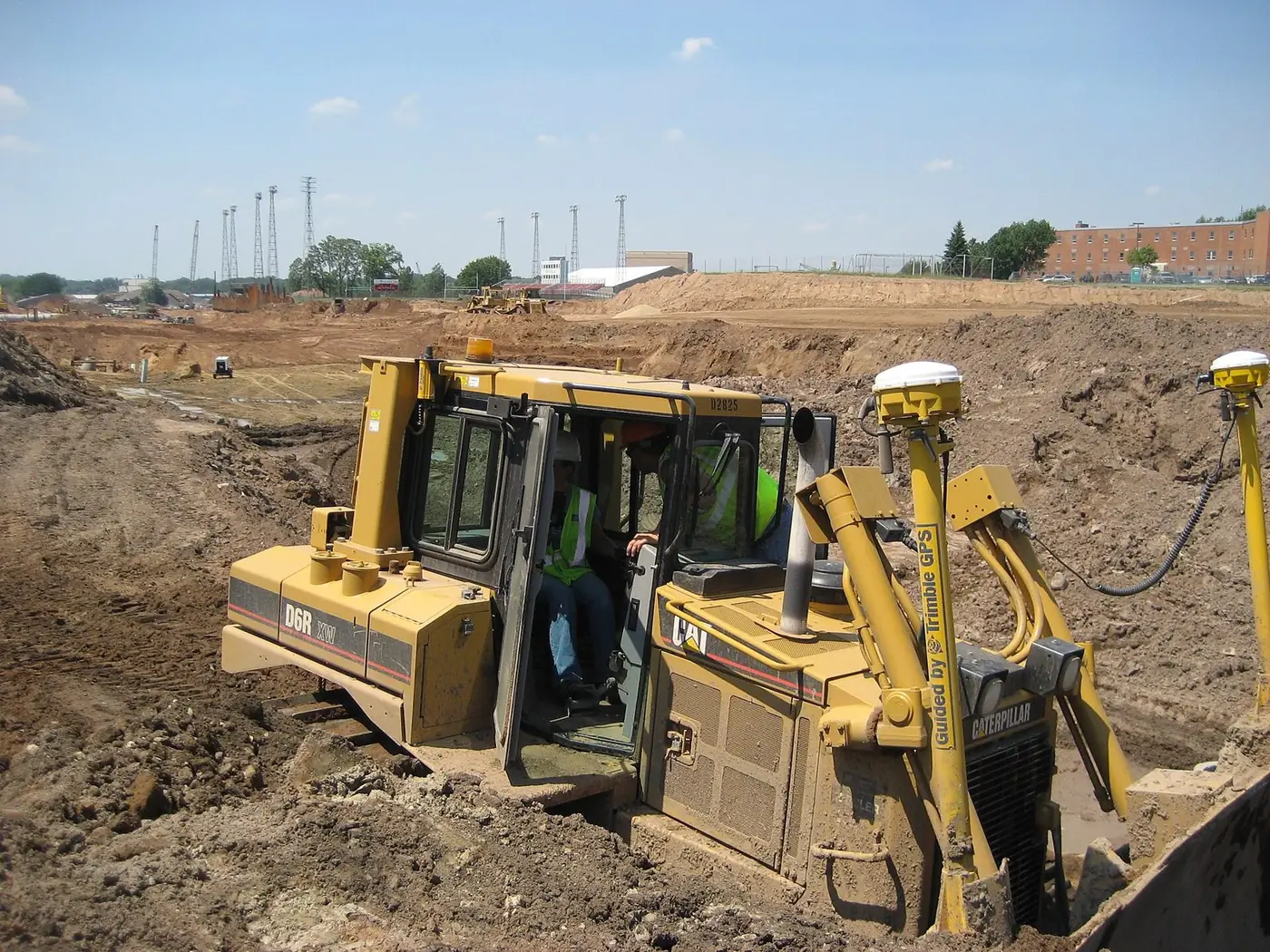
A closer look at the work
Pool digs
A pool dig follows the engineered plan that Queen Creek requires for in-ground pools. Angi's 2026 figures put a 16 by 32 foot pool at about 114 cubic yards and $1,930 to excavate, nationally. The wild card here is caliche: Angi prices rocky ground at $40 to $100 per cubic yard, against $8 to $25 for ordinary dirt. A good quote says how hard digging will be handled. Pool excavation.
Grading and retention
Most grading jobs here are about water. The town's checklist sizes retention for the 100-year, 2-hour storm and keeps basins shallow, so a regrade often means reshaping or adding a basin, not just smoothing dirt. Angi's Phoenix guide lists yard grading and leveling at $415 to $6,720. Grading and leveling.
Trenches for utilities and irrigation
New pool equipment, a detached shop or a drip system all mean a trench. HomeAdvisor lists typical depths of about 24 inches for water lines and 36 inches for drainage pipe, and prices standard trenching at $5 to $12 a foot. Every trench starts with an Arizona 811 ticket. Trenching.
Clearing desert lots
Raw lots on the edges of town are often creosote and brush. Clearing protected native plants needs 20 to 60 days' notice to the Arizona Department of Agriculture, depending on acreage, unless an exemption applies, and disturbing a tenth of an acre or more needs a county dust permit. Desert lot clearing.
Pads, driveways and hauling
House, RV and shop pads combine cut, fill, compaction and hauling. Angi's Phoenix prices run $5 to $15 per cubic yard to level and $10 to $30 per cubic yard to haul, with a machine and operator at $105 to $260 an hour. Pads and site prep.
Who does the work
In Arizona, excavating and grading is licensed work. The Registrar of Contractors classifies it as R-2 for residential jobs, A-5 for commercial and CR-2 for both, covering digging, trenching, grading, compacting and filling. Septic systems, pools and sewer lines have their own classifications. Whoever quotes your job, ask which license they hold and check it on the Registrar's site.
Queen Creek at a glance
Queen Creek grew by roughly half between the 2020 census and the 2025 estimate, by our arithmetic from Census figures, and new subdivisions mean new pools, pads, walls and utility runs. Most of the town is in Maricopa County, and since annexing the Ironwood Crossing neighborhood in 2018 it also reaches into Pinal County. That matters for dust permits, because each county runs its own program. See Queen Creek and our other service areas.
Outside Queen Creek? Separate referral sites take requests for excavation in Scottsdale and excavation in Gilbert. The West Valley has goodyearexcavation.com, and farther south, Casa Grande has its own site for excavation. Florida owners can use fortmyersexcavation.com around Fort Myers or stcloudexcavation.com near Orlando.
Questions and answers
Are you an excavation company?
No. Queen Creek Excavation is an independent referral service. Your request goes to a local excavation contractor, who quotes and does the work; we can't promise anything about that work.
Is it free to ask for a quote?
Yes. Asking costs you nothing. Contractors pay us for the referrals.
Do I need a grading permit in Queen Creek?
The town's grading and drainage notes say plainly that a grading permit shall be required, and plans are sealed by a registered civil engineer. Projects of one acre or more also file a state stormwater notice first. Details on our permits page.
What does excavation cost around Queen Creek?
Angi's Phoenix-area figures put a typical excavation job at $1,844 to $6,083, averaging $3,598. Hard caliche soil can add $210 to $1,240. See costs.
Do I have to call 811 before digging?
Yes. Arizona's law applies to homeowners and contractors alike. Utilities have up to two working days to mark their lines, and digging can't start until they have. See Arizona 811.
Sources
- Wikipedia: Queen Creek, Arizona
- U.S. Census Bureau QuickFacts: Queen Creek town, Arizona
- University of Arizona Cooperative Extension: Caliche Quick Guide (July 2025)
- Angi: Excavation costs in Phoenix, AZ (updated June 16, 2026)
- Angi: How much does pool excavation cost? (Scott Dylan Westerlund, updated October 19, 2026)
- HomeAdvisor: How much does trenching cost? (updated June 19, 2026)
- Town of Queen Creek, Engineering Division: Grading and Drainage Plan Review Checklist and Grading & Drainage Notes (dated 2/4/2020)
- Town of Queen Creek: Residential Swimming Pool Permits Application Process Guidelines
- Maricopa County Air Quality: Dust Sources, Control, and Training
- Pinal County Air Quality: Dust
- Arizona Revised Statutes 3-904: Destruction of protected native plants by private landowners (via FindLaw)
- Arizona Registrar of Contractors: License Classifications
- Arizona Corporation Commission, Office of Pipeline Safety: Underground Facilities Law
- Arizona Revised Statutes 40-360.22: Excavations; determining location of underground facilities
Reviewed October 20, 2026. Rules, prices and contacts change, so check the source before relying on it.
Get your excavation job quoted
Send the form or call and a local excavation contractor will follow up. There's no charge to ask for a quote.
If you reach voicemail, leave your name, number, the property address and what you need dug, graded or cleared.