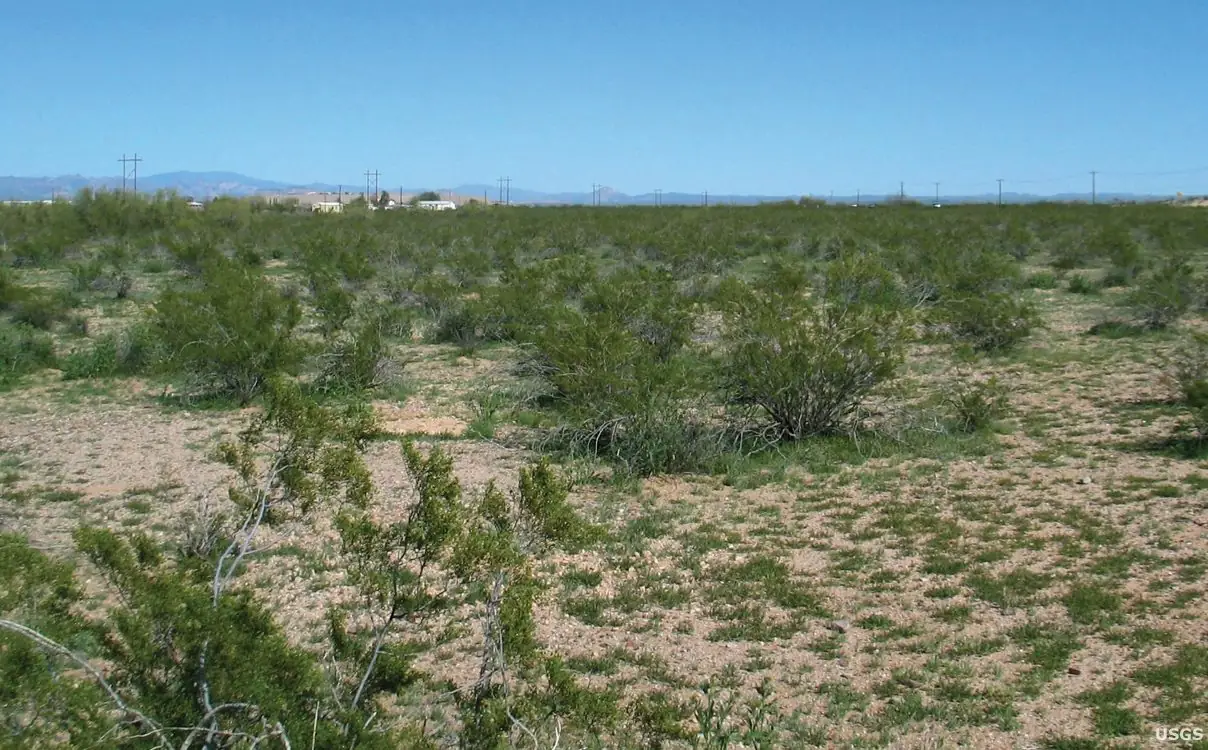
A raw desert lot around Queen Creek usually means creosote, brush and scrub, sometimes old fencing or debris, over hard ground. Clearing it for a home, a barn, an arena or just usable yard space involves more paperwork than most people expect.
Arizona's native plant notice
Many desert plants are protected under Arizona's Native Plant Law. A private landowner may clear protected native plants from their own land, but must notify the Arizona Department of Agriculture first. The waiting period depends on the area cleared:
| Area cleared | Notice before clearing |
|---|---|
| Less than 1 acre | 20 days (oral or written) |
| 1 acre to under 40 acres | 30 days (written) |
| 40 acres or more | 60 days (written) |
The notice includes the owner's details, a description of the area, the earliest clearing date and whether the plants can be salvaged. Clearing has to happen within one year of the date in the notice. There's an exemption for individually owned residential property of 10 acres or less where the first construction has already happened, so clearing a backyard behind an existing home usually doesn't need it. Plants can't be moved off the land or sold under this route.
Dust permits
Clearing is a dust-generating operation. Maricopa County's Rule 310 applies to every site, and a dust control permit is required once 0.10 acre (4,356 square feet) or more is disturbed. In Pinal County, development activities of 0.1 acre or more submit a site permit application, site plan and dust control plan before work begins, and the county's parcel map shows which of its three permit types applies. Queen Creek straddles both counties, so check which one your parcel is in.
What clearing costs
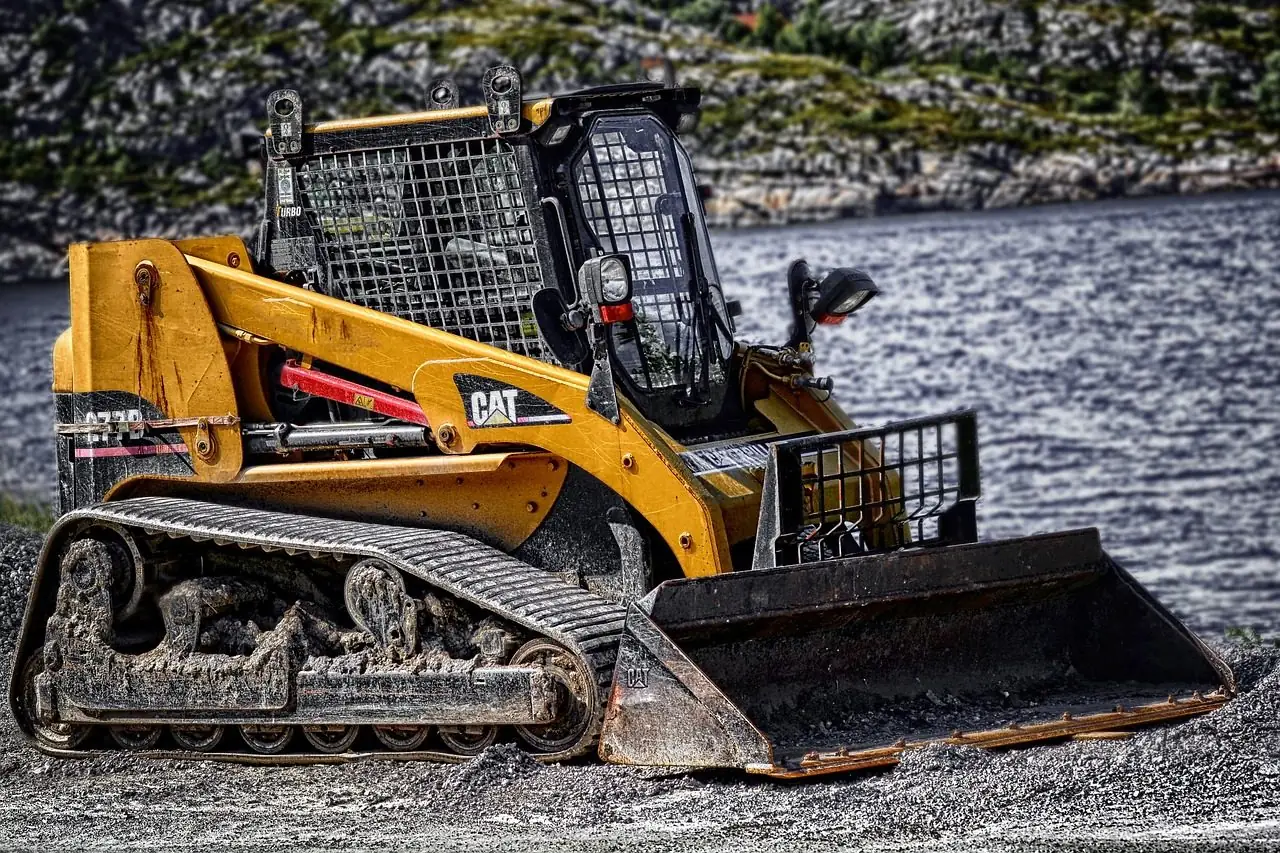
Angi's Phoenix excavation guide doesn't give a separate clearing price, but notes that dense desert brush adds land clearing costs to an excavation job. Machine time runs $105 to $260 an hour with an operator there. Hauling material off is often priced per cubic yard: Angi lists $10 to $30 for dirt removal or hauling.
Before you clear
- Decide what stays: mature trees and cacti can be worth keeping, and transplanting is easier before grading.
- File the native plant notice early if it applies. The waiting period can't be rushed.
- Get the dust permit sorted with the contractor, and agree who holds it.
- Plan the grading at the same time. See grading.
Sources
- Arizona Revised Statutes 3-904: Destruction of protected native plants by private landowners (via FindLaw)
- Arizona Administrative Code R3-3-1102: Protected native plant destruction by a private landowner (via Cornell LII)
- Maricopa County Air Quality: Dust Sources, Control, and Training
- Pinal County Air Quality: Dust
- Angi: Excavation costs in Phoenix, AZ (updated June 16, 2026)
Reviewed October 20, 2026. Rules, prices and contacts change, so check the source before relying on it.
Questions and answers
Do I need permission to clear desert plants on my own lot in Arizona?
For protected native plants, A.R.S. 3-904 requires notice to the Arizona Department of Agriculture first: 20 days for under an acre, 30 days for 1 to 40 acres, 60 days for 40 acres or more. Residential lots of 10 acres or less where construction has already happened are exempt.
Do I need a dust permit to clear a lot near Queen Creek?
Maricopa County requires a dust control permit at 0.10 acre (4,356 square feet) of disturbance. Pinal County requires a site permit application and dust control plan for development activities of 0.1 acre or more.
Get your lot clearing quoted
Send the form or call and a local excavation contractor will follow up. There's no charge to ask for a quote.
If you reach voicemail, leave your name, number, the property address and what you need dug, graded or cleared.