Grading shapes the ground so water goes where it should: away from the house, into a retention basin, or off the lot by design. Around Queen Creek, it also means a grading permit and engineered retention.
What Queen Creek's checklist asks for
The town's Grading and Drainage Plan Review Checklist and its Grading & Drainage Notes include these requirements:
- A grading permit. The notes say plainly that a grading permit shall be required.
- Sealed plans. Each sheet is sealed, dated and signed by the registered civil engineer who prepared it.
- Retention for the big storm. Basin cross-sections show the ponding depth from the 100-year, 2-hour design storm.
- Shallow, gentle basins. Retention basins are 4 feet deep at most, with side slopes no steeper than 6:1.
- Drywells with care. Drywells taking runoff straight from pavement need a separate interceptor chamber, and a drywell's design drainage rate can't exceed 0.1 cfs until percolation tests are done.
- Clear of basins. Water, sewer and fire lines may not pass under retention basins.
- Floodplains. Plans in a FEMA 100-year flood zone also go to the county flood control district for approval.
- One acre or more. Those projects submit a state AZPDES Notice of Intent before getting the grading permit.
Common grading jobs
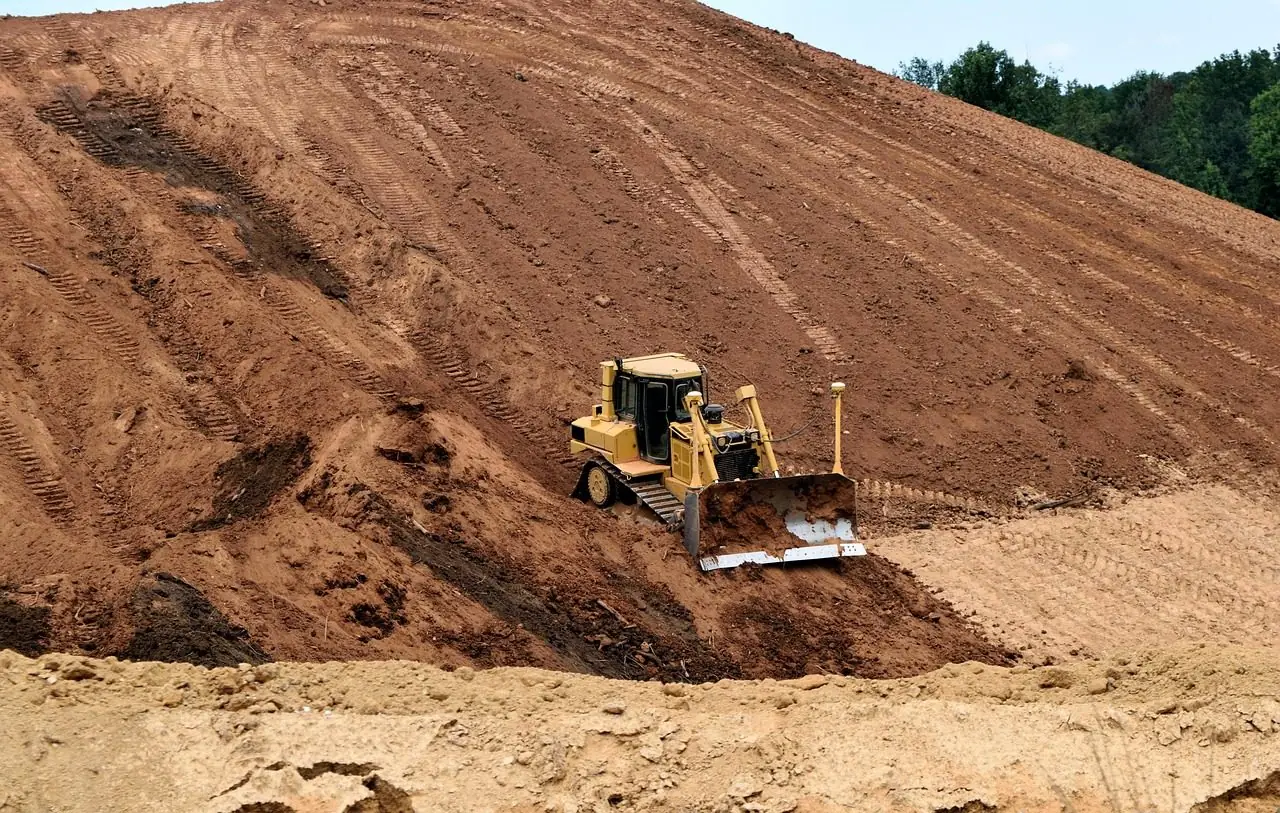
- Lot grading before a pool, wall or addition, so the new work doesn't send water toward the house.
- Regrading a backyard where water ponds against the slab or a block wall.
- Building or reshaping a retention basin to the depth and slopes on the plan.
- Leveling for pads: see pads and site prep.
Costs
Angi's Phoenix guide lists standalone yard grading and leveling at $415 to $6,720, leveling at $5 to $15 per cubic yard, and a machine with operator at $105 to $260 an hour. A plan with engineered retention adds design and permit costs on top. See costs.
Dust
Grading kicks up dust, and both counties regulate it. In Maricopa County a dust permit is required at 0.10 acre (4,356 square feet) of disturbed surface. Pinal County requires a site permit application with a dust control plan for development activities of 0.1 acre or more. Details on the permits page.
Sources
- Town of Queen Creek, Engineering Division: Grading and Drainage Plan Review Checklist and Grading & Drainage Notes (dated 2/4/2020)
- Angi: Excavation costs in Phoenix, AZ (updated June 16, 2026)
- Maricopa County Air Quality: Dust Sources, Control, and Training
- Pinal County Air Quality: Dust
Reviewed October 20, 2026. Rules, prices and contacts change, so check the source before relying on it.
Questions and answers
Do I need a grading permit in Queen Creek, AZ?
The town's Grading & Drainage Notes state that a grading permit shall be required, with plans sealed by a registered civil engineer. Ask the town's Engineering Division how this applies to your specific job.
How deep can a retention basin be in Queen Creek?
Queen Creek's checklist caps retention basin depth at 4 feet, measured to the nearest top of bank, with side slopes no steeper than 6:1.
What does yard grading cost near Queen Creek?
Angi's Phoenix-area guide lists standalone yard grading and leveling at $415 to $6,720.
Get your grading job quoted
Send the form or call and a local excavation contractor will follow up. There's no charge to ask for a quote.
If you reach voicemail, leave your name, number, the property address and what you need dug, graded or cleared.